My Blog
Shopify Product Filtering: 5 Game-Changing Tips to Boost Your Online Sales in 2025
Are you tired of watching potential customers leave your Shopify store because they can’t find what they’re looking for? Product filtering is the game-changer your online store needs.
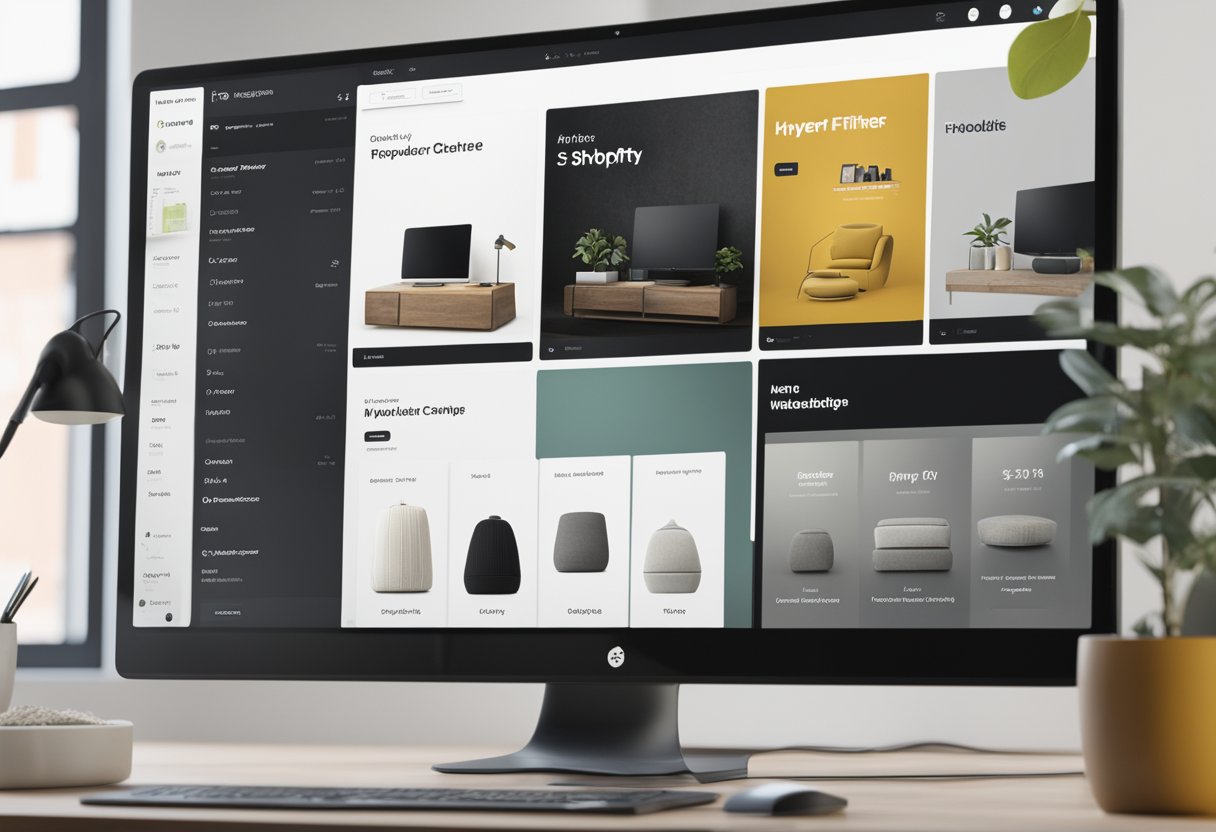
Are you tired of watching potential customers leave your Shopify store because they can’t find what they’re looking for? Product filtering is the game-changer your online store needs.
By adding filters to your collection pages, you’re not just organizing products—you’re creating a smoother shopping experience that keeps customers happily browsing instead of bouncing away.
Shopify’s storefront filtering allows customers to easily narrow down their product search, which can significantly improve your conversion rates and overall user experience. The best part? It’s built right into your Shopify admin, making it accessible even if you’re not a tech whiz.
You can create filters based on product tags, price, availability, and other product data you already have.
We’ve seen stores increase their sales by 15-20% just by implementing smart filtering options that help customers find exactly what they want in fewer clicks.
Whether you run a clothing store with size and color filters or a home goods shop with material and price range options, the right filtering system can transform how people shop with you.
Let’s dive deeper into how you can set up effective product filters on your Shopify store…
Getting to Know Shopify Product Filtering
Product filtering is one of Shopify’s most powerful features that helps customers find exactly what they want. When set up correctly, it makes shopping easier and keeps customers happy with your store.
The Basics of Shopify Filters
Shopify offers several ways to add filters to your online store. The main tool is the Search & Discovery app, where you can create and manage your filters easily.
To get started:
- Go to the Shopify Search & Discovery app
- Click on “Filters”
- Select “Add filter” or edit an existing one
- Choose your filter source (like product type, price, or vendor)
You can add filters to both your search results pages and collection pages. This is called “storefront filtering” and it helps customers narrow down their options.
For mobile users, it’s just as easy! In the Shopify mobile app, go to Products > All products, tap the filter icon, and select the filters you want to apply.
Why Filtering Matters for User Experience
Let’s be honest – nobody wants to scroll through hundreds of products to find what they need! Good filtering is like having a helpful store assistant who knows exactly where everything is.
Well-designed filters can:
- Reduce frustration by helping customers find products faster
- Increase sales by making it easier to discover relevant items
- Lower bounce rates since visitors are more likely to stay when they can find things
We’ve seen stores boost their conversion rates by up to 26% just by adding smart product filters! It’s especially important for stores with large inventories or multiple product variations.
Think about your own online shopping experiences – don’t you appreciate stores that let you filter by size, color, price, and other features? Your customers feel the same way!
Maximizing Sales with Smart Filtering Strategies
Smart filtering is a game-changer for Shopify stores. When done right, it helps shoppers find exactly what they want, which leads to more sales and happier customers.
Boosting Conversion Rates and Average Order Value
Let’s face it – shoppers who can’t find what they’re looking for won’t buy anything. Smart filters solve this problem in several ways:
- Reduced search time – Customers find products faster, leading to more purchases
- Less frustration – Clear filters prevent the dreaded “too many options” feeling
- Price filtering – Helps shoppers stay within budget (and sometimes splurge!)
We’ve seen stores increase conversion rates by up to 20% just by adding better filters.
When customers can narrow down by size, color, and price all at once, they’re more likely to find that perfect item.
Try creating combination filters that let shoppers select multiple attributes at once. For example, “dresses under $50 available in size M” is way more helpful than making someone click through three separate filters.
The Power of Personalization in Product Filtering
Personalized filtering is like having a personal shopper for each customer. It makes the shopping experience feel custom-tailored just for them.
Some smart ways to personalize include:
- Recently viewed items filters that help customers pick up where they left off
- “You might also like” sections based on browsing history
- Size preference memory so customers don’t have to reselect their size each visit
We love how personalization builds loyalty too. When a shopper feels understood, they’re more likely to come back.
One clever trick is adding a “save this filter” option so customers can quickly access their preferred product views on return visits.
Personalized filters can increase average order value by 15-30% because they show items that match customers’ actual preferences instead of generic recommendations.
Spotlight on New Arrivals and Popular Products
Everyone loves what’s new and what’s hot! Making these categories easy to find keeps your store feeling fresh and exciting.
Try these spotlight strategies:
- Create prominent “New This Week” filter buttons at the top of category pages
- Add trending filters that show items with recent sales spikes
- Use badges on product images to highlight new arrivals or bestsellers
We’ve found that new arrival filters work especially well when updated weekly on a consistent schedule. This gives customers a reason to check back regularly.
For popular products, try adding a “Selling Fast” filter that shows items with limited remaining inventory. This creates urgency and can boost sales of items that are already performing well.
Learning from the Big Players like Amazon
Amazon didn’t become an ecommerce giant by accident. Their filtering system is worth studying and adapting for your Shopify store.
Key Amazon-inspired filter strategies include:
- Review-based filtering lets shoppers see only 4+ star items.
- Availability filtering prioritizes in-stock items.
- Prime-style filtering shows your fastest shipping options or loyalty program perks.
We especially like Amazon’s approach to mobile filtering. They make it super easy with a floating filter button. It’s always accessible but doesn’t take up much screen space.
Another smart tactic is adopting Amazon’s “refine by” language instead of just “filter.” This change feels more helpful and less technical to shoppers. Small language tweaks like this can make filtering feel more intuitive and shopper-friendly.