My Blog
Shopify Data Analytics for CRO: 5 Game-Changing Tactics to Skyrocket Your Conversion Rates
Running an online store on Shopify can feel like steering a ship through foggy waters. You know there’s a destination, but the path isn’t always clear. That’s where data analytics for Conversion Rate Optimization (CRO) comes in.

Running an online store on Shopify can feel like steering a ship through foggy waters. You know there’s a destination, but the path isn’t always clear. That’s where data analytics for Conversion Rate Optimization (CRO) comes in.
By analyzing your Shopify data, you can identify exactly where customers get stuck in their buying journey and make targeted improvements that boost your conversion rates.
Ever wonder why some visitors browse but never buy? Your Shopify store collects tons of valuable information that can answer this question. From traffic patterns to abandoned carts, these insights help you understand customer behavior and spot opportunities to improve.
The best part? You don’t need to be a data scientist to use these tools—Shopify has made analytics accessible for store owners of all technical levels.
We’ve helped hundreds of ecommerce businesses transform their Shopify stores from digital window displays into sales-generating machines using simple CRO techniques. Let’s dive deeper into the essential Shopify analytics reports you should be monitoring and how to use them to grow your online business…
Unlocking the Secrets of CRO on Your Shopify Store
Improving your conversion rate is the key to growing your Shopify business without increasing your ad spend. When you understand what makes visitors click “buy,” you can make small changes that lead to big profits.
Dive into Data Analysis
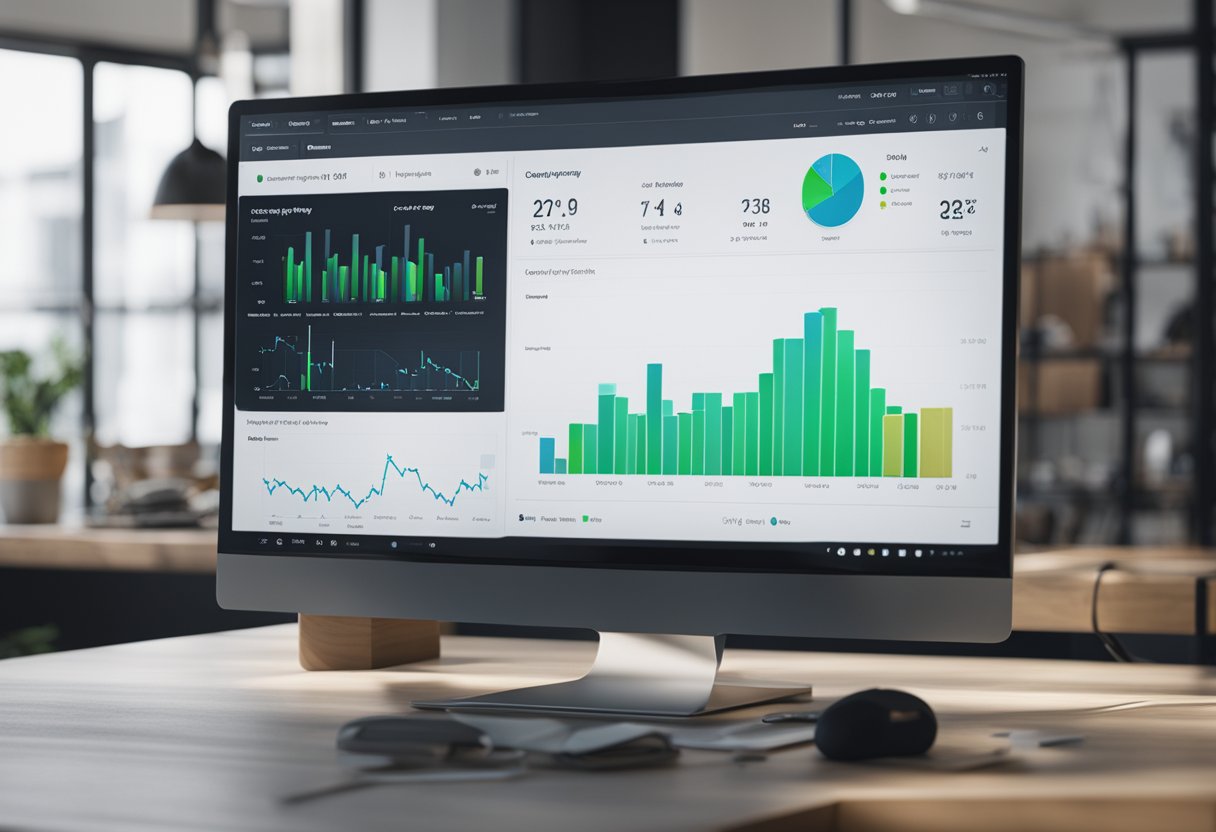
First things first – you can’t improve what you don’t measure! Google Analytics and Shopify’s built-in reports are your best friends for tracking conversion rates.
We recommend starting with these essential metrics:
- Current conversion rate (industry average is 1-3%)
- Traffic sources that bring the most buyers
- Device performance (mobile vs desktop conversions)
- Exit pages where people abandon your store
Heatmaps are super helpful too! They show exactly where visitors click, scroll, and spend time on your pages. Tools like Hotjar or Crazy Egg let you watch real user sessions.
Don’t just collect numbers – look for patterns! If your mobile conversion rate is half your desktop rate, you’ve found a golden opportunity to improve.
Optimizing Every Click and Swipe
Now comes the fun part – making your store irresistible to shoppers! The customer journey should flow smoothly from landing to checkout.
Some quick wins we’ve seen work wonders:
- Simplify navigation – Can customers find products in 3 clicks or less?
- Speed up your site – Each second of load time drops conversions by 7%
- Remove distractions on product pages (focus on the buy button!)
Product pages deserve special attention. High-quality images, detailed descriptions, and clear pricing all build confidence. Don’t forget to add social proof! Reviews and testimonials can boost conversions by up to 270%.
The checkout process is often the biggest friction point. Remove any unnecessary fields and offer guest checkout for the quickest path to purchase.
From Browsers to Buyers: Conversion Tactics
The magic of CRO happens when you start testing different approaches to see what resonates with your customers.
A/B testing lets you compare versions of:
- Call-to-action buttons (color, text, placement)
- Product descriptions (features vs. benefits)
- Page layouts (where elements appear)
Personalization is becoming a must-have, not just nice-to-have. Showing products based on browsing history can increase conversions by 15%.
FOMO (fear of missing out) tactics work brilliantly too! Limited-time offers, low stock warnings, and “sold today” counters create urgency that drives action.
Cross-selling and upselling at checkout can boost average order value by 10-30%. “Frequently bought together” sections make perfect sense to shoppers who are already in buying mode.
Cultivating a Culture of Conversion
Building a conversion-focused mindset across your entire Shopify operation means looking beyond one-time sales to create lasting customer relationships. It’s about creating systems that continuously improve your store’s performance.
Fostering Lasting Customer Relationships
Your CRO strategy shouldn’t stop at the checkout button. We’ve found that the post-purchase experience is just as crucial for building a sustainable business.
Start by implementing abandoned cart emails that don’t just remind customers—they delight them with personality and maybe a small incentive. Our tests show these emails can recover up to 15% of otherwise lost sales!
Live chat tools can work wonders for your conversion rates. When customers have questions, immediate support often makes the difference between purchase and abandonment.
Consider these relationship-building tactics:
- Personalized email marketing based on purchase history
- Loyalty programs that reward repeat purchases
- Retargeting ads that bring browsers back with targeted offers
Customer support isn’t just a service department—it’s a conversion opportunity. Train your team to solve problems and identify sales opportunities.
Keeping the Engine Running: Ongoing CRO
CRO isn’t a one-and-done project. It’s a continuous process of improvement. We recommend scheduling regular CRO audits every quarter to stay ahead.
Create a testing calendar that prioritizes high-impact pages. The homepage and landing pages are a good start. Next, focus on product detail pages and the checkout experience. Don’t forget about the often-overlooked mobile experience!
Don’t just track ecommerce conversion rates. Dig deeper into bounce rates, average order value, and time on page. These metrics tell a more complete story about your store’s performance.
Use A/B testing religiously, but don’t forget about multivariate testing for more complex pages. We’ve seen seemingly minor design changes increase conversions by 20% or more!
Remember that SEO and CRO work together. Optimizing for search brings visitors, but a conversion-optimized site turns them into customers.