My Blog
Shopify Checkout Shipping Options That Will Make Your Customers Jump for Joy in 2025
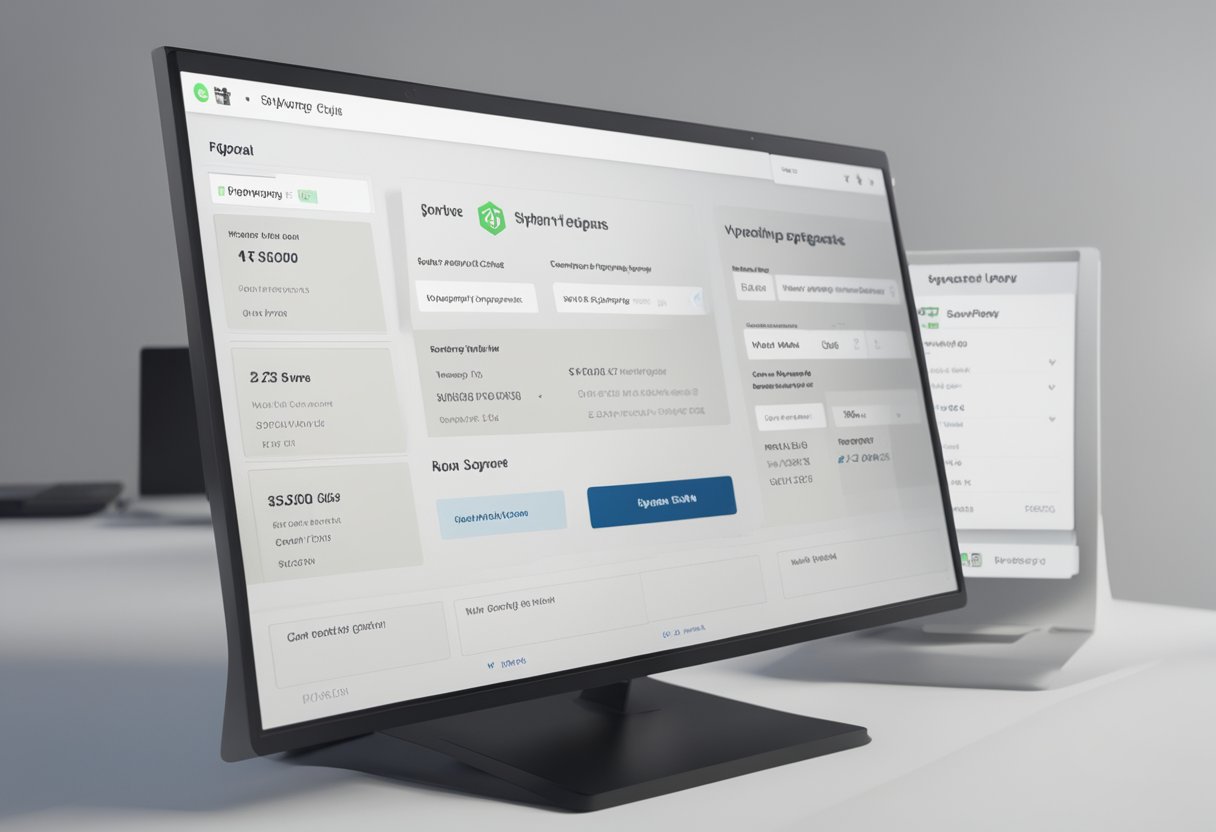
Setting up the right shipping options in your Shopify checkout can make or break your online store. Many shoppers abandon their carts when shipping costs are too high or delivery options are limited.
Setting up the right shipping options in your Shopify checkout can make or break your online store. Many shoppers abandon their carts when shipping costs are too high or delivery options are limited.
Shopify offers flexible shipping solutions that allow you to provide free shipping, flat-rate options, or carrier-calculated rates tailored to your customers’ needs.
Your checkout shipping setup directly impacts customer satisfaction and sales. With Shopify Shipping, you can print discounted labels, split shipments for multi-item orders, and customize how shipping options appear to shoppers. These features help create a smooth checkout experience that keeps customers coming back.
We’ve seen firsthand how the right shipping strategy can transform an online store’s performance. Whether you’re just starting out or looking to optimize your existing setup, understanding all your Shopify shipping options is crucial.
Let’s dive deeper into how you can configure your shipping settings to reduce cart abandonment and boost sales…
Setting Up Your Shopify Shipping
Setting up shipping in Shopify doesn’t have to be complicated. With the right approach, you can create a system that balances customer satisfaction with your business needs.
Determining Your Shipping Zones
Shipping zones are geographic areas where you’ll deliver products. To set these up, head to your Shopify admin and click “Settings” > “Shipping and delivery.”
Start by thinking about where most of your customers live. Do you ship mainly within your country, or do you sell internationally too?
For each zone, you can set different rates and delivery options. We recommend starting with at most two zones.
The first zone should be your home country, and the second zone should cover neighboring countries. You can also add a third zone for international shipping.
Remember that shipping costs vary widely between zones. What might cost $5 to ship domestically could cost $30 internationally!
You can create custom zones based on countries, states, or even postal codes. This flexibility helps you charge accurate rates for different regions.
Choosing the Right Shopify Plan
Your Shopify plan affects your shipping options. Here’s a quick breakdown:
| Shopify Plan | Shipping Features |
|---|---|
| Basic | Standard shipping options, manual rates |
| Shopify | Additional shipping profiles, better discounts |
| Advanced | Advanced shipping calculations, third-party calculated rates |
The Basic plan works well for beginners with simple shipping needs. As your business grows, consider upgrading to access more features.
With higher-tier plans, you’ll get deeper shipping discounts (up to 88% off with certain carriers) and more customization options. This can save you money in the long run.
Think about your future needs too. Will you be expanding to new markets soon? If so, the extra shipping features might be worth the investment.
Configuring Shipping Rates
Now for the fun part: setting your rates! You have several options:
- Weight-based rates: Charge more for heavier packages
- Price-based rates: Set shipping costs based on order value
- Calculated rates: Real-time quotes from shipping carriers
To add a rate, go to your shipping zone and click “Add rate.” Give it a name customers will understand, like “Standard Shipping (3-5 days).”
Pro tip: Be transparent about delivery times. Customers appreciate knowing when to expect their packages!
For most stores, a mix of rate types works best. You might offer free shipping on orders over $100, flat rate economy shipping, and expedited options for those who need items quickly.
Test your rates thoroughly before going live. Place test orders to make sure everything appears correctly at checkout.
Offering Free Shipping
Free shipping can boost your conversion rates dramatically. In fact, studies show that 66% of shoppers expect free shipping on all orders!
There are several ways to offer free shipping in Shopify:
- Set a minimum order value (like “Free shipping on orders over $50”)
- Limit free shipping to specific products
- Offer it as a limited-time promotion
- Make it available only in certain shipping zones
Remember to build shipping costs into your product prices if you’re offering free shipping. Otherwise, you might eat into your profit margins.
We recommend starting with a minimum order threshold that’s about 30% higher than your average order value. This encourages customers to add more to their carts while keeping shipping sustainable for your business.
Applying Flat Rate Shipping
Flat rate shipping keeps things simple for both you and your customers. One price, no surprises!
To set up flat rate shipping in Shopify:
- Go to “Settings” > “Shipping and delivery”
- Select your shipping zone
- Click “Add rate”
- Choose “Flat rate” and enter your price
Flat rates work best when your products have similar weights and sizes. If you sell everything from postcards to furniture, flat rate shipping might not make sense.
Consider creating different flat rates for different product categories. For example, “Standard Items” at $5.99 and “Oversized Items” at $15.99.
You can also use flat rate shipping for specific promotions. “$5 shipping on all summer items” is more appealing than complex calculated rates and easier for customers to understand.
Optimizing the Checkout Experience

A smooth checkout process can make or break your Shopify store’s conversion rate. When customers encounter friction during checkout, they often abandon their carts. Let’s explore some key improvements that can transform your shipping options into a competitive advantage.
Streamlining Address Input
Address entry shouldn’t be a chore for your customers. Google auto-address is a game-changer here!
When you implement this feature, customers only need to type a few characters before seeing suggestions for their complete address. This little tweak can save them precious seconds and reduce frustration.
Here’s how to make address input smoother:
- Enable Google auto-address in your Shopify settings
- Make sure form fields are clearly labeled
- Allow customers to use the same address for shipping and billing with a simple checkbox
- Include a “save for next time” option for returning customers
Remember that mobile users have smaller screens. Keep your form fields spaced out enough for easy tapping on smartphones.
Estimating Shipping Costs Quickly
Nobody likes surprise costs at checkout! Showing shipping estimates early in the shopping journey can boost trust and reduce cart abandonment.
We recommend adding a shipping calculator to your product pages or shopping cart. This lets customers see costs before they commit to purchase.
Try these approaches:
- Add a zip/postal code field that instantly shows shipping options
- Display free shipping thresholds prominently (“Spend $10 more for free shipping!”)
- Show estimated shipping costs in the mini-cart
If you offer free shipping above a certain order total, make this super clear. Many customers will add more items to qualify for free shipping!
Providing Delivery Time Information
Customers want to know when their goodies will arrive. Clear delivery timeframes build confidence in your store.
Don’t just list shipping methods – include estimated delivery windows for each option. For example: “Standard Shipping (3-5 business days)” is much more helpful than just “Standard Shipping.”
Consider these enhancements:
- Use a delivery date calculator that shows actual calendar dates
- Update delivery estimates based on current inventory location
- Highlight any cutoff times for same-day processing
- Be transparent about potential delays during busy seasons.
Highlighting Expedited Shipping Options
Some customers need their items quickly and are willing to pay for speed. Make your expedited options easy to find and understand.
Present your shipping methods in a clean, scannable format.
Use visual cues like icons or color-coding to distinguish between standard and expedited options.
Effective ways to showcase expedited shipping:
- List options from fastest to slowest. Alternatively, let customers sort by price or speed.
- Add small icons, such as 🚚 for ground and ✈️ for air.
- Highlight expedited options during holiday seasons or for gift-appropriate items.
- Consider offering expedited shipping discounts for higher order totals.
When customers can easily compare shipping methods side by side, they can make confident decisions based on their specific needs and timeline.