My Blog
International Shopify Store: 5 Simple Steps to Go Global Without the Headaches in 2025
Taking your Shopify store international is a game-changer for growth. With the right setup, you can sell to customers worldwide without building separate stores for each country.

Taking your Shopify store international is a game-changer for growth. With the right setup, you can sell to customers worldwide without building separate stores for each country.
Shopify’s built-in tools make going global easier than ever. Features like multiple currencies, automatic language translation, and localized checkout experiences are all available right in your admin dashboard.
Want to boost your sales? Going international opens doors to millions of new potential customers. Many successful brands on Shopify have doubled or tripled their revenue by expanding beyond their home markets. The platform handles the complex parts like taxes, shipping, and payment methods that vary from country to country.
Ready to take your online store to new markets but not sure where to start? We understand the challenges of international expansion. But with Shopify’s geolocation apps and Shopify Payments, you can create seamless shopping experiences for customers worldwide.
Let’s dive deeper into how you can transform your local shop into a global ecommerce powerhouse…
Setting Up Your Shopify Store For Global Success
Taking your Shopify store international opens exciting opportunities to reach new customers and boost sales. Shopify offers powerful tools that make global selling easier than you might think.
Going Global with Shopify Markets
Shopify Markets is your best friend for international expansion! This built-in tool helps manage different market experiences without complicated setups.
Here’s how to get started:
- Go to your Shopify admin panel
- Click on “Markets” in the left sidebar
- Select “Add market” to create market-specific settings
With Markets, you can customize pricing strategies for different regions. For example, you might set higher prices in countries with expensive shipping costs.
The tool also handles currency conversion automatically. Your customers see prices in their local currency, which builds trust and reduces cart abandonment.
For serious global sellers, Shopify Markets Pro acts as your merchant of record. This means they handle tax compliance and cross-border regulations for you!
Language Matters: Speak Your Customer’s Language
Nothing connects with customers like speaking their language. Studies show that 76% of online shoppers prefer buying products with information in their native language.
Shopify makes language localization straightforward:
- Manual translation: Edit your theme’s language files directly
- Translation apps: Use apps like Langify or Weglot for automatic translations
- Custom content: Create market-specific product descriptions
Don’t just translate words! Adapt your content to fit cultural preferences and shopping habits. What works in the US might not resonate in Japan or Brazil.
Remember payment preferences vary too. Germans often prefer bank transfers, while digital wallets are huge in Asia. Shopify lets you offer region-specific payment methods to boost conversion rates.
Navigating International Waters: Taxes, Duties, and Shipping
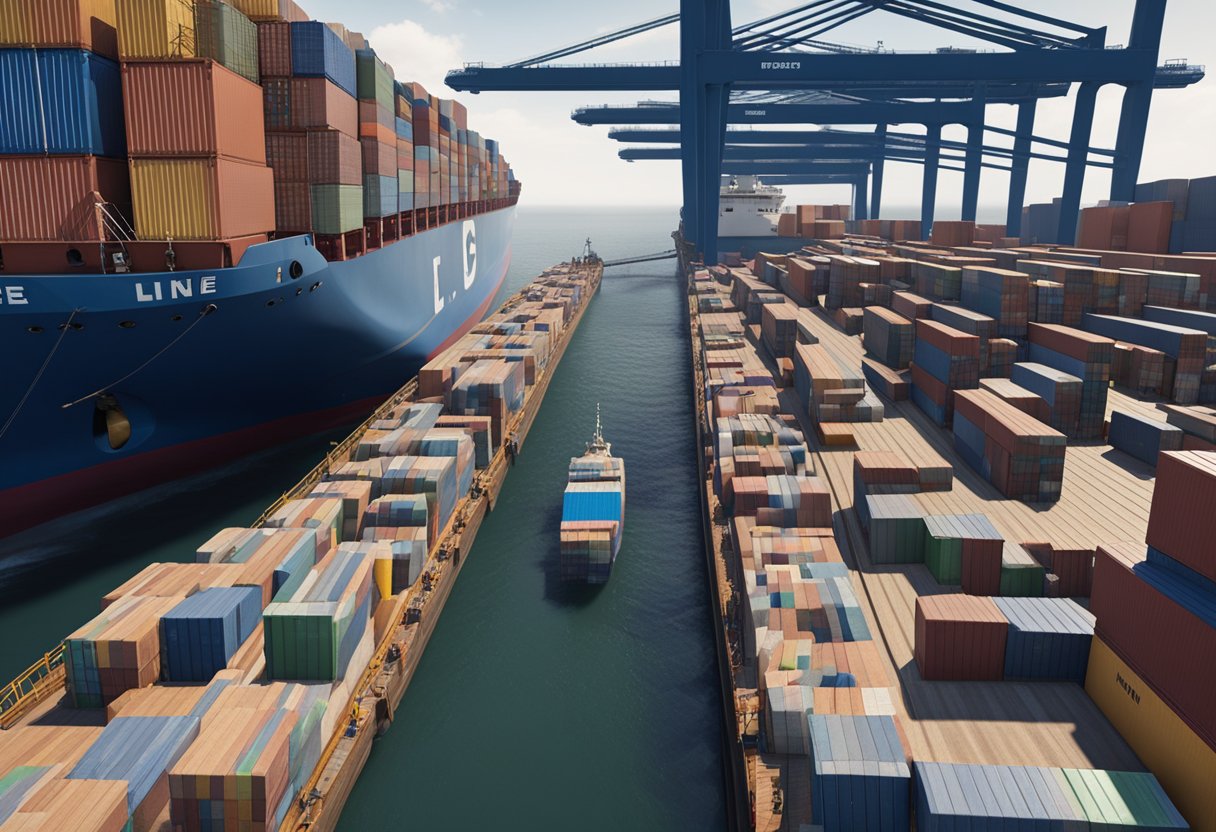
Taking your Shopify store global means dealing with taxes, duties, and shipping logistics. These elements can make or break your international expansion, but with the right approach, they become manageable parts of your business.
Handling Taxes and Duties Like a Pro
Let’s face it – taxes and duties aren’t the most exciting part of running a global Shopify store, but they’re super important!
In the Shopify Admin, you can activate duties and import tax collection under the “Taxes and Duties” section. This is a game-changer for your customers.
When you enable this feature, your customers see all costs upfront during checkout. No surprise fees when their package arrives! This transparency builds trust and reduces abandoned carts.
Here’s what you need to know:
- VAT (Value Added Tax) varies by country, so research each market
- Customs duties depend on product type and destination country
- You can choose between DDP (Delivered Duty Paid) or DDU (Delivered Duty Unpaid)
Pro tip: We recommend the DDP approach where possible. Your customers will thank you for handling these fees in advance!
Mastering International Shipping and Fulfillment
Shipping globally doesn’t have to be complicated!
Start by enabling international shipping in your Shopify Admin under “Shipping and Delivery.” From there, you can create shipping zones based on where you want to sell.
Consider these options for your global shipping strategy:
- Multiple fulfillment centers to reduce shipping times
- Label generation directly through Shopify
- Inventory management across different locations
We’ve found that offering multiple shipping speed options works wonders.
Some customers want their items fast and will pay premium rates, while others are happy to wait for free shipping.
Remember to keep your shipping policies clear on your store.
Be upfront about delivery timeframes for different regions. This sets realistic expectations and builds customer confidence in your global business.