My Blog
Shopify Micro-Interactions: 5 Subtle Design Tricks That Skyrocket Conversions
Have you noticed that tiny moment when you add something to your cart on a Shopify store and the icon gives a little wiggle? That’s not just cute design—it’s a powerful tool called a micro-interaction. These small animations and responses are the subtle design details that make u…

Have you noticed that tiny moment when you add something to your cart on a Shopify store and the icon gives a little wiggle? That’s not just cute design—it’s a powerful tool called a micro-interaction. These small animations and responses are the subtle design details that make using a website feel satisfying and intuitive.
Micro-interactions on Shopify sites significantly impact user experience by providing feedback, guiding navigation, and creating emotional connections with customers.
When a button changes color after being clicked or a form field highlights when selected, these tiny moments help users understand what’s happening and make the shopping experience more engaging. They’re like digital high-fives that reassure customers their actions were successful.
We’ve seen countless Shopify stores transform their conversion rates with thoughtful micro-interactions. Whether it’s a heart that pulses when adding an item to favorites or a subtle loading animation that keeps shoppers patient, these design details can be the difference between a frustrated abandonment and a completed purchase.
Let’s dive deeper into how you can implement these magical little moments in your own Shopify store…
The Heartbeat of Shopify: Micro-Interactions Galore
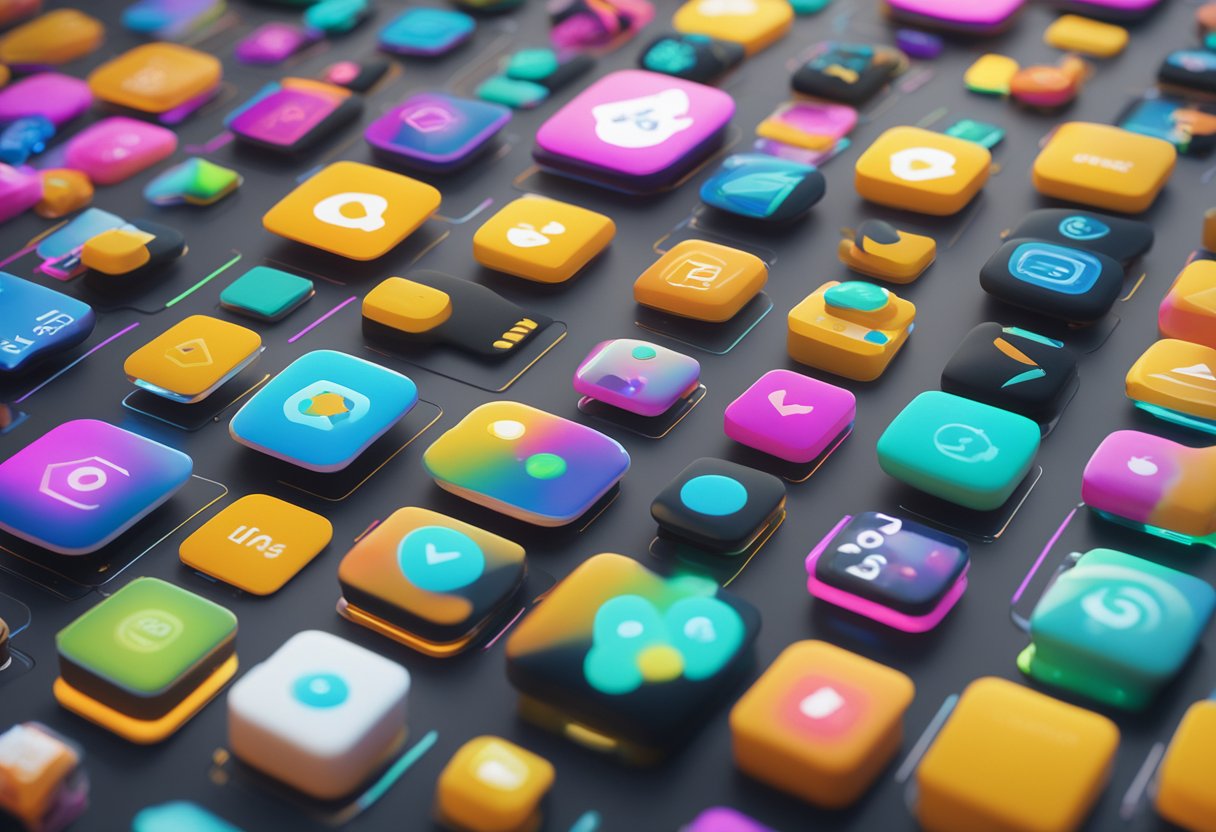
Micro-interactions are the tiny moments of magic that make using Shopify stores feel alive and responsive. These small design elements create big impacts on how users experience and engage with online stores.
Why Micro-Interactions Are a Big Deal
Micro-interactions might be small, but they pack a powerful punch!
These tiny design elements show users that something has happened when they take an action. Think of the subtle animation when you add a product to your cart or the gentle pulse of a button when you hover over it.
These small moments help users in three big ways:
- Building confidence: They confirm that a user’s action worked
- Guiding navigation: They show users where to go next
- Creating emotional connections: They make the shopping experience feel more human
Research shows that stores using thoughtful micro-interactions see higher conversion rates. Why? Because these tiny touches reduce confusion and make customers feel more comfortable completing purchases.
When a shopper knows their click registered or their form submitted correctly, they’re more likely to continue shopping rather than abandoning in frustration.
Designing Micro-Interactions: Tips and Tricks
Creating effective micro-interactions doesn’t have to be complicated! We recommend following these simple principles:
- Keep it quick – Animations should last 0.2-0.5 seconds. Anything longer becomes annoying.
- Stay subtle – The goal is to enhance the experience, not distract from it
- Be consistent – Use similar styles across your store
Good micro-interactions follow a simple pattern:
- Trigger: What starts the interaction (click, hover, scroll)
- Rules: What happens during the interaction
- Feedback: What the user sees or hears
- Loop/Mode: What happens next or how it resets
🔍 Pro tip: Test your micro-interactions with real users! What feels helpful to you might feel confusing to others.
Remember that accessibility matters too. Ensure your interactions work for everyone, including people using screen readers or those who prefer reduced motion.
Innovation in Action with Shopify’s Toolkit
Shopify offers fantastic tools to implement micro-interactions without needing to be a coding expert. The Theme Editor includes several built-in options that we can customize.
Popular micro-interactions in Shopify stores include:
- Subtle button color changes on hover
- Add-to-cart animations (like a mini product flying to the cart icon)
- Loading indicators that reduce perceived wait time
- Toast notifications confirming actions
- Form field validations that give instant feedback
For more advanced options, Shopify’s App Store offers specialized tools. Apps like “Animation Studio” or “Interactive Elements” let you add custom micro-interactions without touching code.
When implementing these features, we recommend starting small. Add micro-interactions to your most important conversion points first, like “Add to Cart” buttons or checkout forms. This focused approach helps you measure their impact on user behavior.
Optimizing Your Store with Micro-Interactions
Adding smart micro-interactions to your Shopify store can boost user engagement and increase sales. These tiny design elements help guide customers through their shopping journey and provide valuable feedback along the way.
Strategic Analytics to Propel Your Store
Understanding how customers interact with your micro-interactions is key to optimization. We recommend setting up event tracking in your analytics tools to monitor which elements get the most engagement.
Metrics to track:
- Click-through rates on animated buttons
- Time spent on pages with micro-interactions
- Conversion rates before and after implementation
A/B testing different micro-interactions can reveal what works best. Try testing a subtle button animation against a more noticeable one to see which drives more conversions.
The ROI of well-designed micro-interactions often shows up in reduced cart abandonment. When shoppers receive immediate visual feedback during checkout, they’re more likely to complete purchases.
Enhancing Accessibility for All Users
Not all users experience micro-interactions the same way. Some might use screen readers or have motion sensitivity issues that affect how they interact with your store.
Accessibility best practices:
- Provide alternative text for interactive elements
- Ensure all interactions can be triggered by keyboard
- Include options to reduce or turn off animations
- Maintain sufficient color contrast for visual cues
Mobile-first design is essential since most shoppers browse on phones.
Test your micro-interactions on different devices to ensure they work smoothly across all screen sizes.
Website performance matters too! Heavy animations can slow down your site, which hurts both user experience and SEO.
Keep micro-interactions lightweight and purposeful to maintain fast loading times.